7 Ethical Clothing Kids Brands You’ll Actually Love (No Greenwashing!)
Looking for ethical clothing kids will actually wear? In this guide, I’m sharing how to find truly ethical brands, plus my personal picks for high-quality, organic children’s clothes that last.
This page contains affiliate links, which earns me a little bit of commission if you make a purchase, at no additional cost to you. Thank you!
It’s 10pm, and I let out an exasperated sigh as I close yet another website tab. I’ve been searching for hours for a little outfit for my 3 year old, to no avail.
You see, I have a list of criteria about as long as it takes me to put said 3 year old to bed. Fun, cheerful, soft, organic and, of course, actually ethical.
But wading through the sea of supposedly ethical clothing out there is nothing short of frustrating.
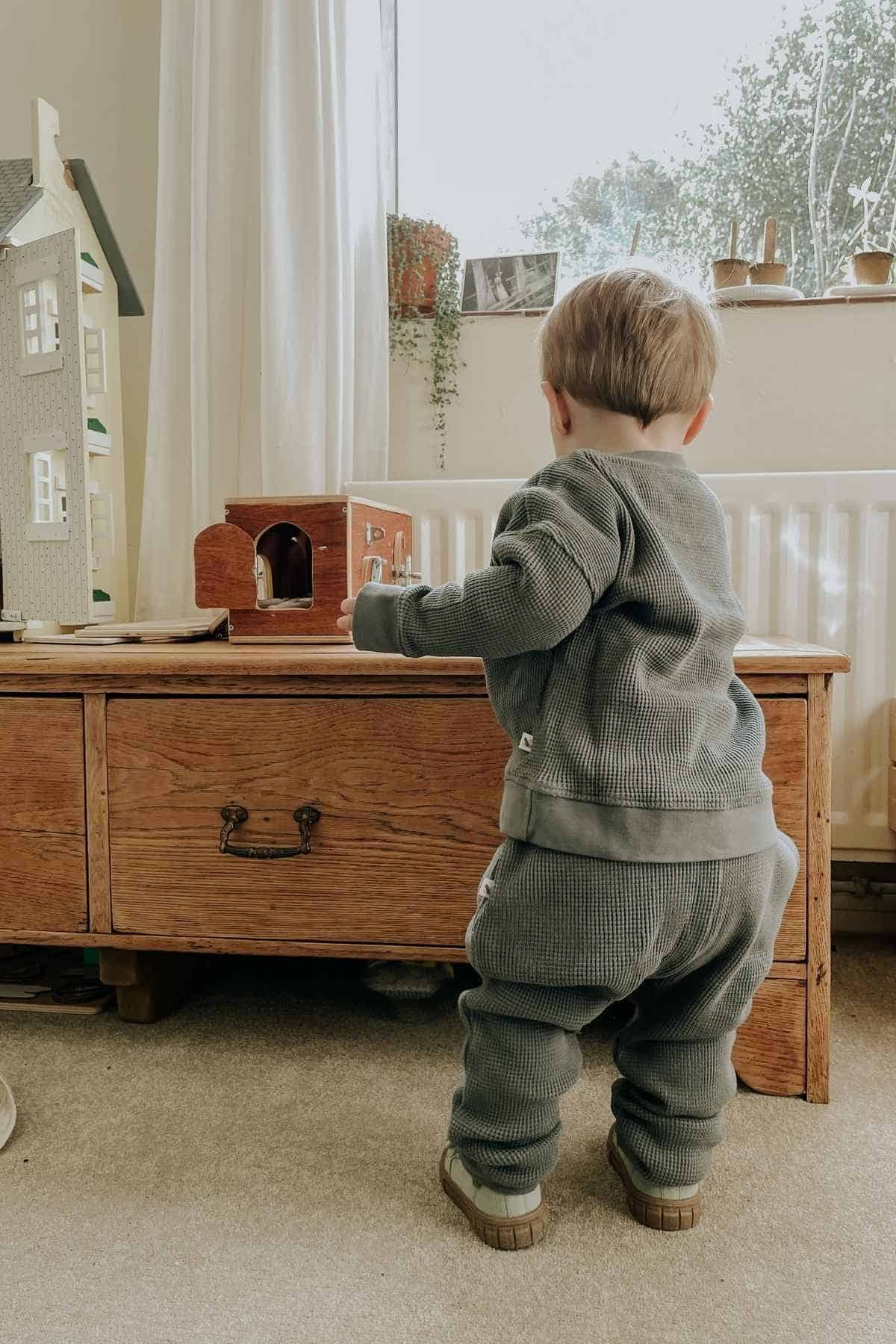
You come across a brand selling cute shorts and tees, but there’s zero transparency on where the clothing is actually made. Or you find a brand that is legit sustainable and organic, but it’s all scratchy hemp things you know your little one would never be seen in.
That’s where I come in, friend!
Four kids in, and I’ve investigated just about every ethical children’s clothing brand out there. I’m here to give you the places you’ll find ethical clothing kids actually want to wear – with no greenwashing in sight.
Don’t Buy Ethical Kids Clothing Until You’ve Done This
Friend, you don’t need to rush off and buy organic dungarees from Denmark just yet.
Before we talk brands and fabrics and what’s “ethical,” we need to think about the most sustainable items of all – the hand-me-down jumper, the little secondhand shorts and those old trousers you’ve mended countless times.
The Only Tip You Really Need
Whether it’s a hand-me-down hoodie from your nephew or a favourite dress bought new last spring, getting more wear out of what’s already in your child’s wardrobe makes the biggest difference.
The garment has already created most of its carbon footprint before it even reaches your laundry basket. Manufacturers pour energy and water into processing, sewing up and shipping your item across the world. Every extra wear is a little win.
So treat those pieces kindly. Wash them gently, hang them out to dry when you can and skip the tumble dryer unless you really need it (I know it’s hard!).
A few quiet minutes with a needle and thread can make a torn knee or frayed hem good as new. If you’re not sure where to start, my 20-Minute Mending Course is perfect for beginners, or I have a couple of posts on mending too.
Mend Your Clothes in Minutes
Discover my tried-and-tested methods to mend your clothes in less than 20 minutes.
Learn no-sew, hand-sew and machine techniques, each with easy-to-follow video tutorials. Just simple, satisfying fixes that actually last.
Why That Little Shop Down The Road Might Be More Ethical Than Any Online Brand
Buying from a little local shop is something special.
The receipt might be handwritten, the range of products limited, but these little downsides are always made up in joyful customer service, a curated selection of high-quality products and the knowledge of exactly where those little linen shorts were made.
Shopping small and local won’t just shrink the journey your clothes take to reach you. It often means you can trace their story from fibre to fitting room.
You’ll find clothing brands that choose buttons carefully, check their stitching twice, and build relationships with the people who make their pieces. Made to last beyond the next growth spurt, you’ll be able to pass them down to a little brother or friend.
And yes, it’s sustainable, but it’s also personal. You’re not just reducing carbon emissions. You’re helping keep a tiny business afloat, one that might sponsor your town’s summer fair or start an initiative to support a local charity.
That’s the kind of shopping that makes a difference!
The Sustainable Clothing Tip You’re Probably Already Doing
Happily, the passing along of secondhand children’s clothes comes naturally to just about everyone. Who doesn’t love digging through a bag of little handknit cardis? This is easily the best way to find ethical clothing for kids.
Remember, just because something arrives with a hole or a stain doesn’t mean its time is up. Simple little mending or upcycling skills can give it another lease on life.
If something feels a bit tired or not quite your style, try dyeing it. I love using Dylon Machine Dyes for this. You just pop them in the washing machine and out comes a refreshed piece of clothing. Perfect for faded cotton or linen.
When the hand-me-downs run dry, there’s always charity shops, Vinted or eBay. Local car boot sales or swap events can also yield beautiful, well-made clothes for a fraction of the price.

What No-One Tells You About Polyester Kids Clothing
Ok, time to be a little controversial. One of the biggest cons of the fashion industry is polyester clothing.
Synthetic fabrics like polyester and acrylic are plastics, so they will last for centuries and release microplastics into the water supply.
Not to mention the fact that when you put your little person in easy breezy organic cotton or linen on a hot day it’s bound to keep them feeling much cooler and happier.
Natural fibres like linen and wool are thermo-regulating, which means they’ll keep your kids cool in summer and warm in winter. They’re also breathable, lightweight and much gentler on their soft skin.
Brave Enough to Try Sewing Your Own Kids Clothes?
Start Here
If you’re feeling particularly brave, you could try making your own sustainable children’s clothes! Kids’ clothes can be really simple to make, and because they’re smaller than adult clothes, they’re quicker to make too.
To make them sustainable, look for fabrics like linen, hemp or organic cotton. My absolute favourite place for these is Merchant & Mills.
Another wonderful option is to buy deadstock fabric from shops like Amo Threads or The New Craft House. Deadstock is fabric leftover from commercial clothing production, that would otherwise be destined for landfill, so it’s one of the most sustainable ways to buy fabric.

Greenwashing vs. the Real Deal: What I Look for in Ethical Kidswear
The word ethical gets thrown around a lot these days, so I want to be clear about what I’m looking for when I recommend a brand.
- For me, ethical clothing for kids starts with ethical production practices: things like fair wages for garment workers, safe working conditions, and genuine social responsibility across the supply chain. I look for brands that treat their makers with care.
- I also favour organic kids clothes and organic baby wear made with responsible materials like organic cotton, hemp, or biodegradable fabrics, ideally dyed using plant-based dyes or low-impact processes that avoid harmful chemicals.
- Excellent quality matters too. The most sustainable clothes are the ones that last – through spills and playground adventures and sleepy car rides home.
- I love brands that produce new collections in small batches, which often means more attention to detail, less waste, and a garment that’s made to be loved and passed on.
- And of course, I pay attention to the little things too, like a company packages its products. I’m always glad to see brands choosing recyclable or compostable materials over plastic packaging wherever possible.
- Some of the brands I recommend have the B Corp certification, which means they meet rigorous standards of ethics, transparency and environmental impact. Others may be smaller or newer, but show a strong commitment to these same values.
No brand is perfect, but these are the things I look for when I say a piece of clothing is “ethical.”
Want to Know More About Sustainable Living?
How to Make Beeswax Wraps (The Easy Way!)
How to Wrap Gifts with Fabric
A Review of Kidly’s Sustainable Clothing for Kids
The Ethical Kids’ Clothing Brands You Need to Know
You’ve tried the charity shops, patched up the hand-me-downs, and wandered through that sweet little boutique in town… but the right thing still hasn’t turned up. Sometimes you just need to buy new!
So here they are: my all-time favourite organic, ethical brands for kids.
Affordable Sustainable Kids Clothes: KIDLY
If you’ve ever found yourself wondering how you’ll ever afford to dress your kids in sustainable clothes, this one’s for you.
Kidly offers sustainable garments plus their own range that’s nearly all GOTS‑ and OEKO‑TEX certified. They’ve built trust through transparency, ethical production practices, and exceptional value.
Their fabrics – often organic cotton, bamboo, or recycled fibres – stand up to playground adventures and wash after wash without sagging or fading. We’ve got several KIDLY pieces that have been through multiple children and are still good as new.
KIDLY was recently bought by fellow organic kidswear brand MORI, and while the ownership has changed, the commitment to sustainability stays the same!

Heirloom Quality Wool Clothing: Disana
Nothing brings me more joy than snuggling a little tiny baby wrapped in layers of soft, cosy wool. If you’re anything like me, you’ll love Disana.
Everything Disana make is crafted in their own German workshops from GOTS-certified organic wool and cotton, with a level of care that’s hard to come by. Even their sewing thread and button choices are held to the highest standards—no shortcuts, no harsh chemicals, just softness and integrity from top to toe.
The result is timeless, heirloom-worthy pieces that keep little ones cosy through chilly school runs, muddy garden play, and afternoon naps in the sunshine. The kind of clothes you’ll happily pass down, again and again.


Curated Ethical Kids Clothing: All Things Dylan
All Things Dylan began at home with Dylan, the founder’s son, and a simple desire: to let kids feel themselves in clothes they actually want to wear.
Rather than chase fast-fashion trends, All Things Dylan curates standout, retro-inspired clothing from small independent brands. Every piece is made to last rough-and-tumble play, messy snacks, and child-led adventures.
All Things Dylan stocks pieces with a transparent supply chain, and made using soft, sustainable fabrics and colourful prints without compromising on quality or ethics.
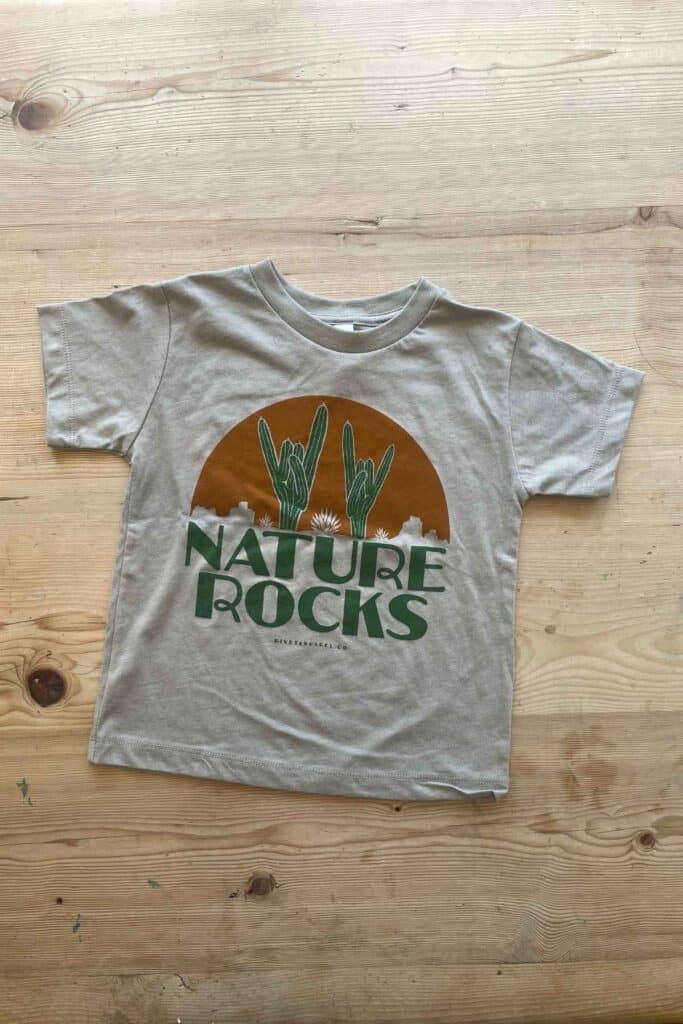
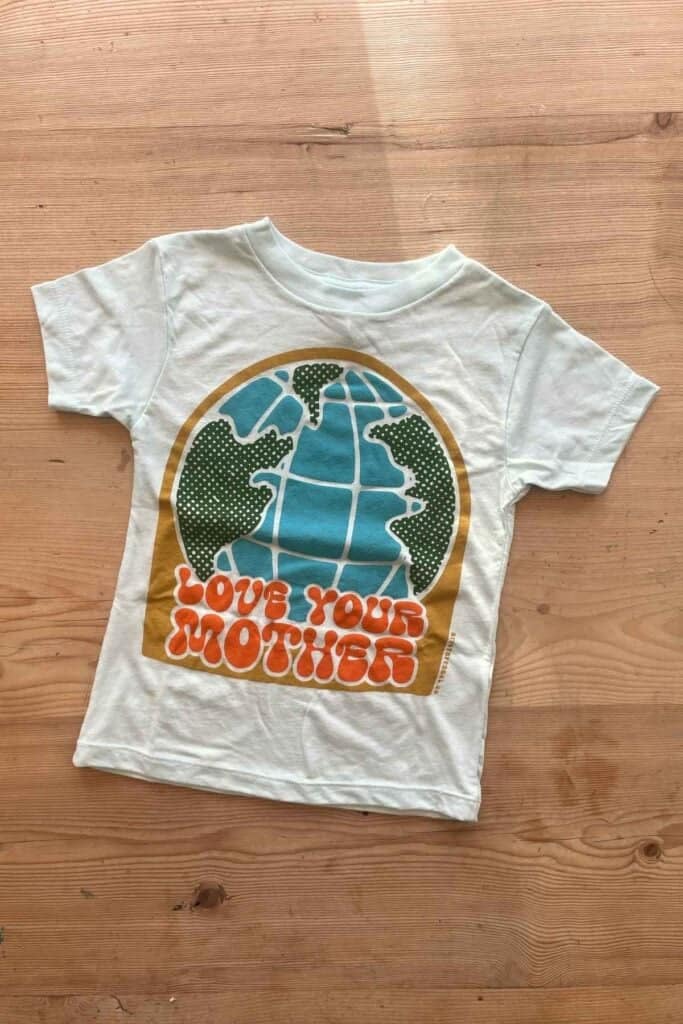
The ‘Nature Rocks’ t-shirt from Rivet Apparel Co has quickly become one of my 3 year old’s favourites!
Cheerful Ethical Kids Clothing: Little Green Radicals
If you’re still convinced that ethical clothing needs to be entirely beige, Little Green Radicals will show you otherwise!
Little Green Radicals are one of the few brands that back up their cheerful prints with genuine, grounded ethics. They’ve been using organic cotton since day one, and every piece is Fairtrade-certified, meaning the farmers and garment workers are paid fairly and treated with dignity.
Their factories are powered by renewable energy, their packaging is plastic-free, and they prioritise biodegradable fabrics and plant-based dyes to keep things safe for delicate skin.
I love how thoughtfully they design their clothes too – reinforced seams, generous sizing and clever features so each piece lasts longer. They’re proof that ethical clothing for kids can be joyful, high-quality, and genuinely responsible.


Unique Ethical Kids Clothing: Mini Rodini
Proving that sustainable kids’ clothing can still be fashion forward, Mini Rodini will make your little person look and feel super cool!
Over 99% of their products are made from sustainable materials, such as organic cotton, recycled polyester, and Modal. They focus on limiting the use of chemicals throughout the supply chain, as well as having a responsible approach to waste.
They also look to prioritise social rights in the manufacture of their clothing, sourcing factories with sustainability and fair labor as key criteria.


Practical, Quality Basics: Polarn O.Pyret
No-one makes sustainable fashion like the Scandinavian brands, and PO.P is a shining example!
80% of PO.P’s range is made of either GOTS, BCI or recycled materials. Many of their styles are designed to grow with your little one, thanks to roll down cuffs, adjustable waists & extendable bodysuits.


Ethical Clothing with Whimsy: Konges SlØjd
Konges Sløjd feels like that perfect little Scandi cottage you’ve spotted in a design magazine – beautiful, calm, and deeply considered. They’re committed to making every piece with integrity: GOTS-certified cotton and wool, fair practices for garment workers, and a zero-tolerance stance on corruption or unsafe production.
They vet every new supplier with a thorough environmental and social due diligence process.
Their commitment extends to materials and packaging too: FSC-certified wood for toys and accessories, responsibly sourced textiles, and a diligent approach to reducing waste and chemicals throughout their supply chain.
It’s the kind of brand where you can feel confident that what you’re buying is truly made with care.

What You’re Not Thinking About Ethical Kids Clothing
If I could go back to exasperated me, searching for that perfect little ethically-made outfit, I’d remind her of this:
Choosing ethical clothing doesn’t have to mean spending a fortune or getting everything “right.” Sometimes it’s a secondhand gem. Sometimes it’s mending a hole during naptime. And sometimes it’s picking a brand you can trust, knowing they do things right.
I hope this post helps you find pieces you feel good about – ones your kids love to wear, and that just might get passed along to the next little pair of hands.
If you’ve got a favourite ethical kids’ brand I didn’t mention, I’d love to hear. Pop it in the comments or drop me a message – I’m always hunting for treasures!