

How to Sew Faster: Simple Tricks That Actually Help You Sew Fast
Want to know how to sew faster without cutting corners? These simple, practical tips will help you make the most of every precious minute at the machine.
This page contains affiliate links, which earn me a little bit of commission if you make a purchase, at no additional cost to you. Thank you for supporting my little corner of the internet!
There’s a pile of fabric on my cutting table that’s been there for eleven days.
I know exactly what it’s going to be. I’ve ironed the fabric. I’ve even cut out all the pattern pieces which, if you know me, means I am serious about this.
And then life just… kept happening. School runs. A poorly child. A week where every nap was forty minutes shorter than it needed to be. And there the fabric sits.
If you sew, you probably know this feeling. The wanting-to-make is constant. The actual time to make? That’s the thing that feels in short supply.
This post isn’t about sewing faster so you can make more stuff. It’s not a productivity hack for people who want to churn through projects like a small factory.
It’s for the person who makes intentionally — one thing at a time, with a plan — but who also has approximately forty-five minutes on a Tuesday afternoon and wants every single one of those minutes to count.
These are the simple tips and handy tricks that have genuinely changed how I use my sewing time. I hope they help you too!
Before You Even Thread Your Machine
1. Have a dedicated space (even an imperfect one)
This is the single biggest thing. Not a beautiful, Pinterest-worthy studio (though wouldn’t that be lovely). Just somewhere you can leave things out.
When your sewing setup lives in a box that has to come down from a shelf, set up, be used, be packed away, you’ve used fifteen minutes before you’ve made a single stitch. If you can carve out even a corner of a sewing table that’s yours, where your machine can live permanently and your current sewing project can sit waiting for you, you will sew so much more.
Easy access to your work in progress makes a remarkable difference to your sewing speed. I know a dedicated sewing space isn’t always possible. We’ve all had seasons of sewing at the kitchen table. But aim for permanence, even scrappy permanence.
Even a small trolley that wheels out easily is a faster way to get going than packing and unpacking a box every time.
2. Wind several bobbins before you start
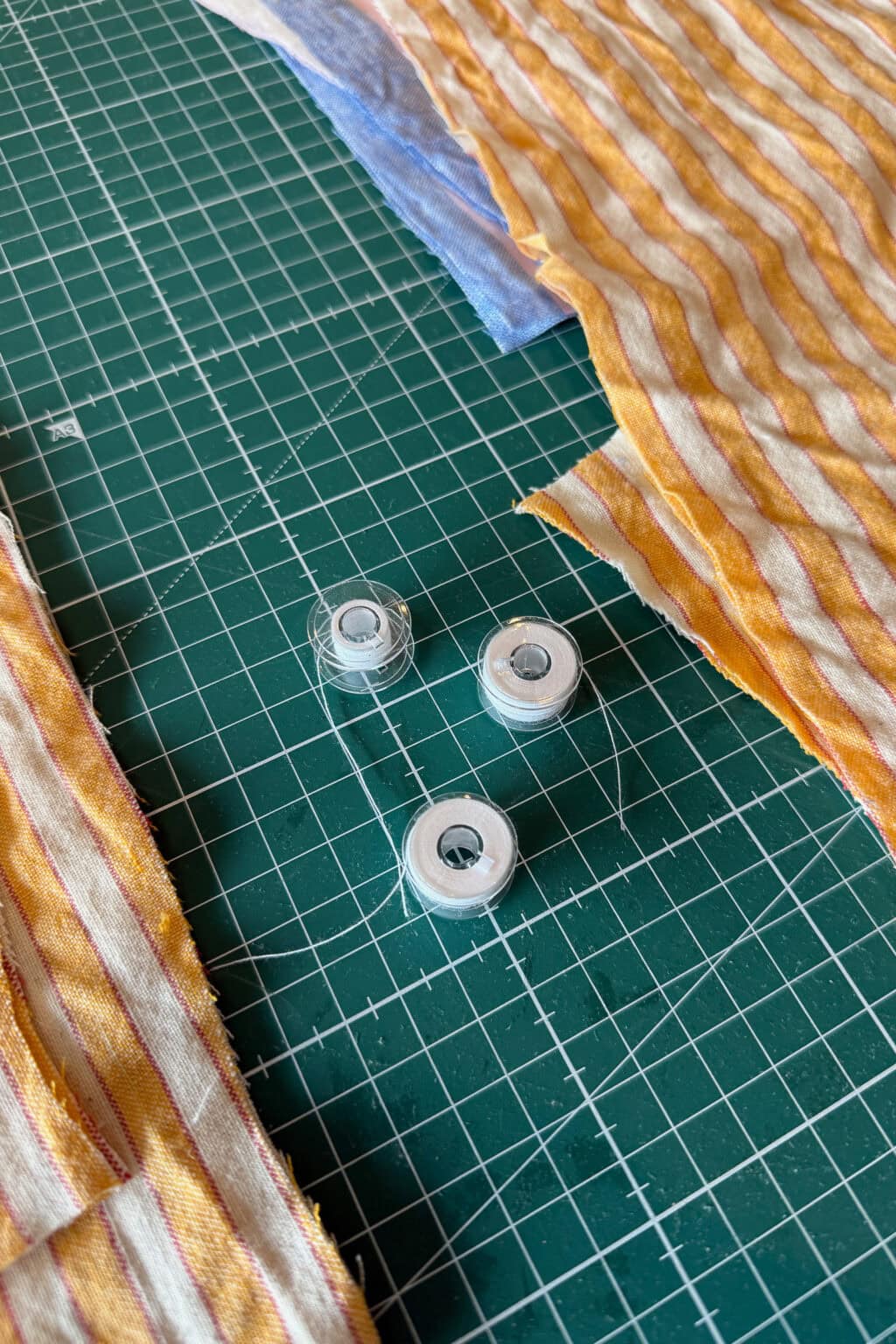
This sounds almost too small to mention, but running out of bobbin thread mid-seam is one of the most momentum-killing things that happens at a sewing machine. You stop, you rewind, you rethread, and your sewing session has lost all its flow!
Whenever I sit down to start a new project, I make three or four pre-wound bobbins before I begin. Making sure you have enough bobbins ready is a tiny habit that makes a huge difference. The colour thread you need is always to hand, and you never lose your rhythm mid-seam.
3. Pre-wash and prep your fabric before you need it
The week before you want to start a project, throw the fabric in the wash, press it and label it. Then when your precious sewing session arrives, you’re not standing at the ironing board for twenty minutes first.
It feels like a small thing but across the whole process it adds up to a lot of time saved!
And a side note — labelling your fabric might not seem like a great time-saver, but if, like me, you have a memory like a sieve, it will save a load of time trying to remember what each fabric in your stash is! I love using this fabric labelling tape.
4. Use pattern weights instead of pins for cutting
Pinning your separate pattern pieces to fabric before cutting is fiddly, slow, and slightly annoying. Pattern weights hold the paper in place while you cut around it. (Just know that it works a lot better with a rotary cutter and mat than with fabric scissors!)
Use proper weights, or improvise with anything heavy — large steel washers, a tin of beans, a particularly dense sewing manual. It makes cutting noticeably faster.
5. Keep a simple ‘sew faster’ project kit ready
Keep a small basket or tin that travels with your current project: the relevant colour thread, a seam ripper, a few pins, the pattern instructions, and any sewing supplies or notions specific to that make.
When you sit down for your sewing session, everything you need is already there — easy access, no hunting, no “where did I put the…”

Invest in Tools That Work With You
Cheap tools steal your time. A blunt pair of scissors that drags through fabric, a sewing machine that skips stitches, an iron that takes five minutes to heat up and then spits limescale — these things slow down your sewing process more than you think.
You don’t need expensive sewing supplies, but investing in quality sewing tools genuinely changes things. Here’s where it’s worth spending.
6. Good fabric scissors
Sharp scissors cut cleanly, quickly, and without that horrible dragging sensation — especially through layers of fabric or small pieces where a blunt blade just won’t do.
If yours are more than a few years old and you’ve never had them sharpened, that might be the most impactful simple change you make this week.
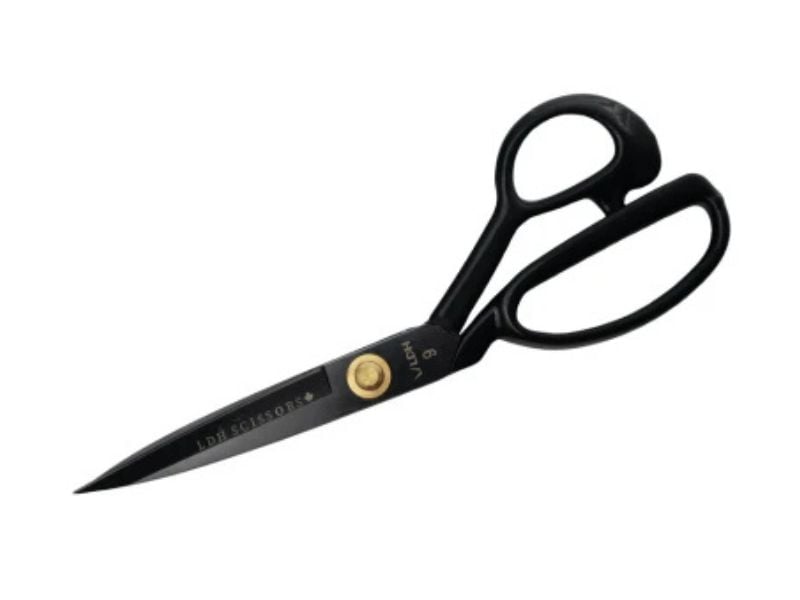
LDH Fabric Shears
7. A rotary cutter
A good quality rotary cutter paired with a self-healing mat is one of the fastest ways to cut fabric, especially for cutting straight lines like quilt squares or waistband pieces.
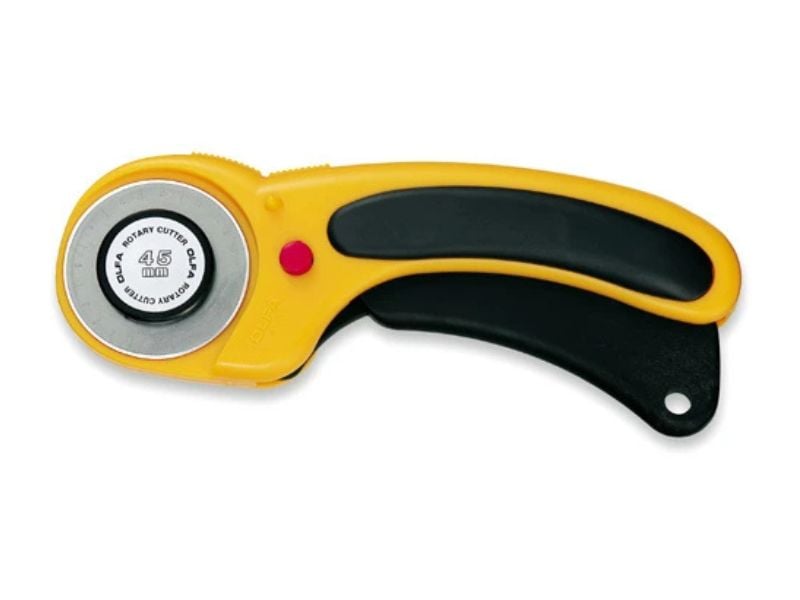
Olfa Rotary Cutter
8. A reliable sewing machine
This doesn’t mean the most expensive one. It means one that works consistently, without you having to coax it, check the tension every ten minutes, or rethread it three times because it keeps jamming.
Switching to a machine that works reliably could save you hours in the sewing room — and for someone sewing in a stolen couple of hours here and there, that matters enormously.
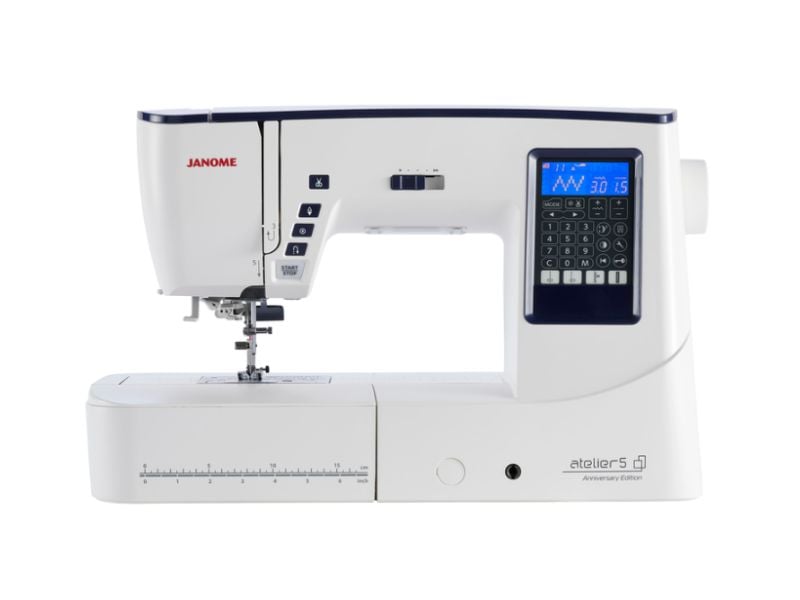
Janome Atelier 5 Sewing Machine
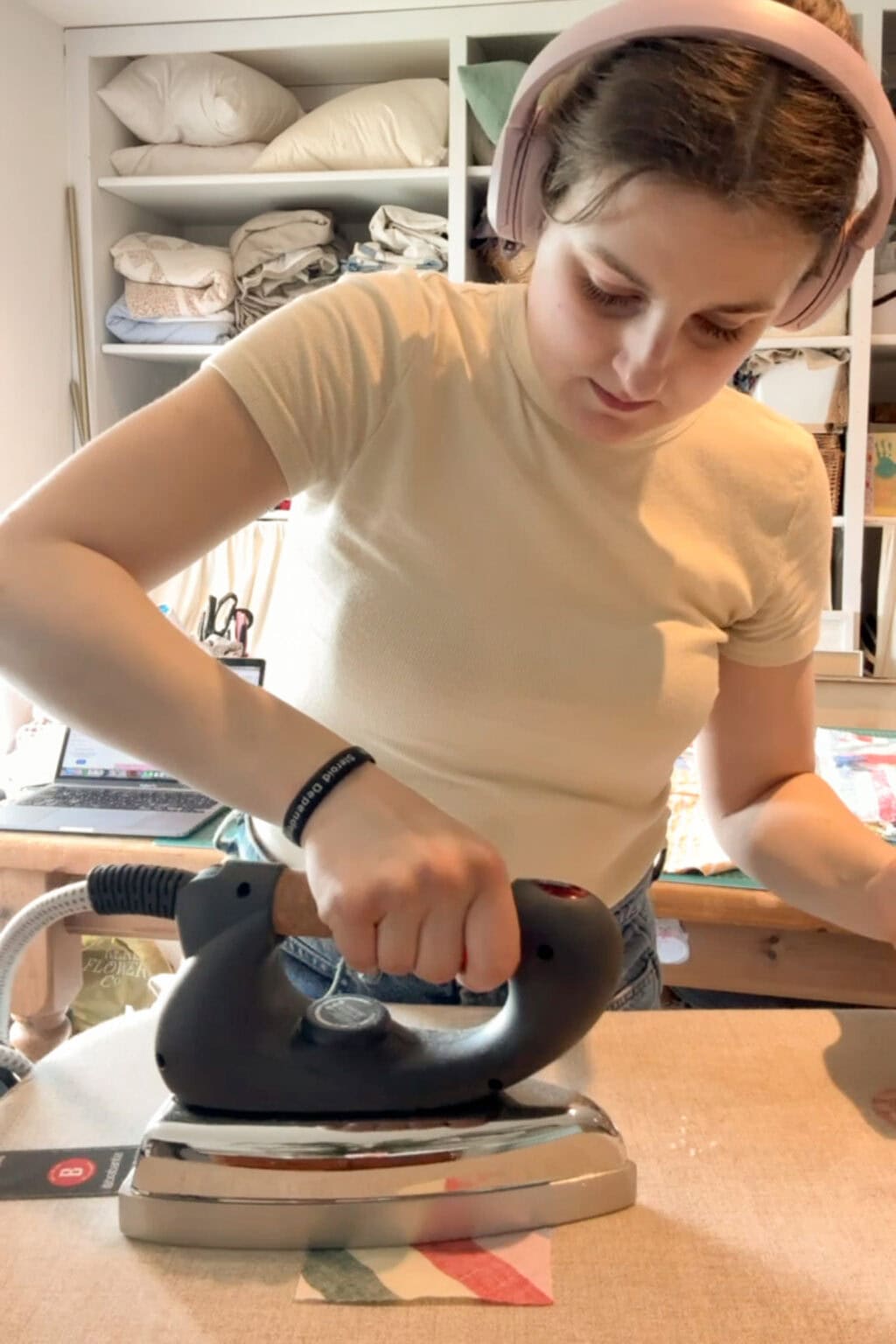
9. A quality iron — the most underrated tool in your sewing room
Pressing can feel like a distraction from the real work of sewing, but any good sewist knows *pressing is* an essential part of sewing. A good iron that heats fast, produces proper steam, and glides across the fabric will make pressing a breeze. Your iron is your secret weapon in the sewing room!
Pair it with a good ironing board too — it won’t necessarily save you time but it will save your back!
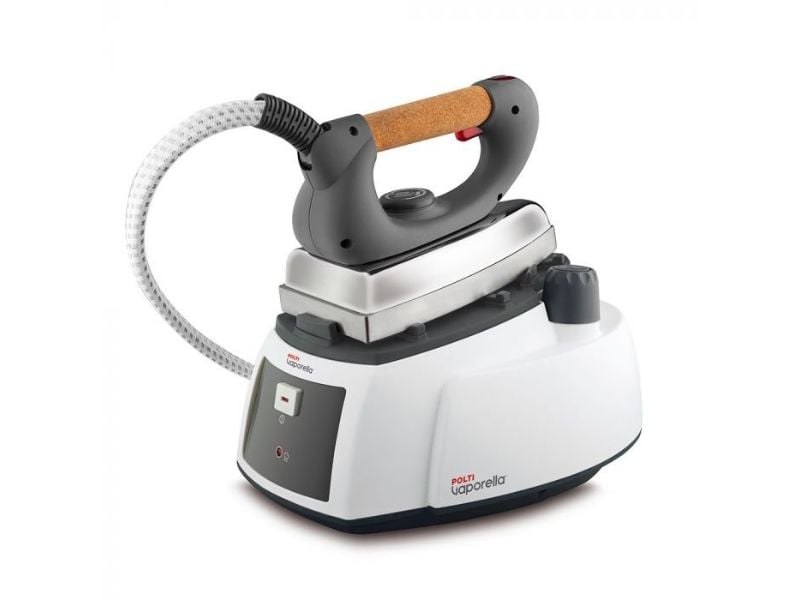
Polti Vaporella 505 Iron
10. Wonder clips for slippery or bulky work
Wonder clips are one of those simple tips sewists swear by. Pins work beautifully for most things, but for slippery fabrics or bulky seams, clips are faster, easier to remove at the machine, and able to handle heavier fabrics. Keep a pot of them on your sewing table.
11. Skip the Pins
This feels like a dirty secret, but I often don’t use pins! For simple projects, save time by matching your seams as you go. Most of the time you’ll find it works out just fine! Of course, I wouldn’t recommend this when you’re easing fabric in, like for sleeves.
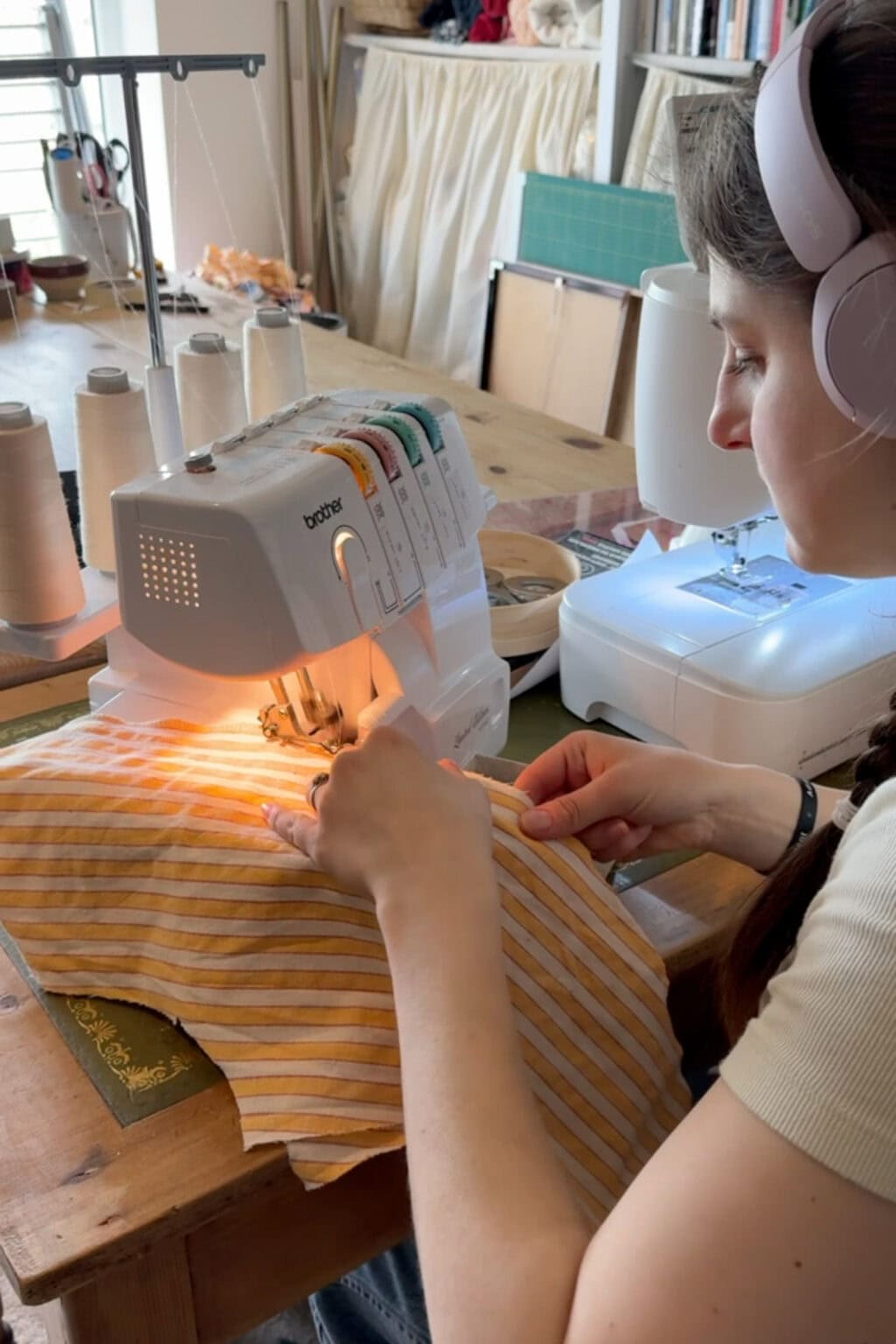
Sew Faster by Working in Batches
12. Batch cut your fabric
Don’t cut and sew, cut and sew. Instead, do all your cutting in one go then put the scissors away and sew.
Switching between tasks has a mental overhead we rarely account for. When you cut everything first, you move into sewing with momentum and you stay there. It also means that if you only have fifteen minutes one day, you can sit down and sew without any setup at all.
13. multiples of the same thing at once
Making a gift for a friend? Make two. One for her, one for your gift drawer. You’re already cutting the pieces, your machine is already set up at the right stitch length, you’re already in that particular sewing headspace. The second one costs you perhaps a quarter of the time the first did.
If you’re going to give this a go, make sure to spend a little time getting a system going. For example, store all your like pieces together so that you don’t end up getting confused by loads of different pieces!
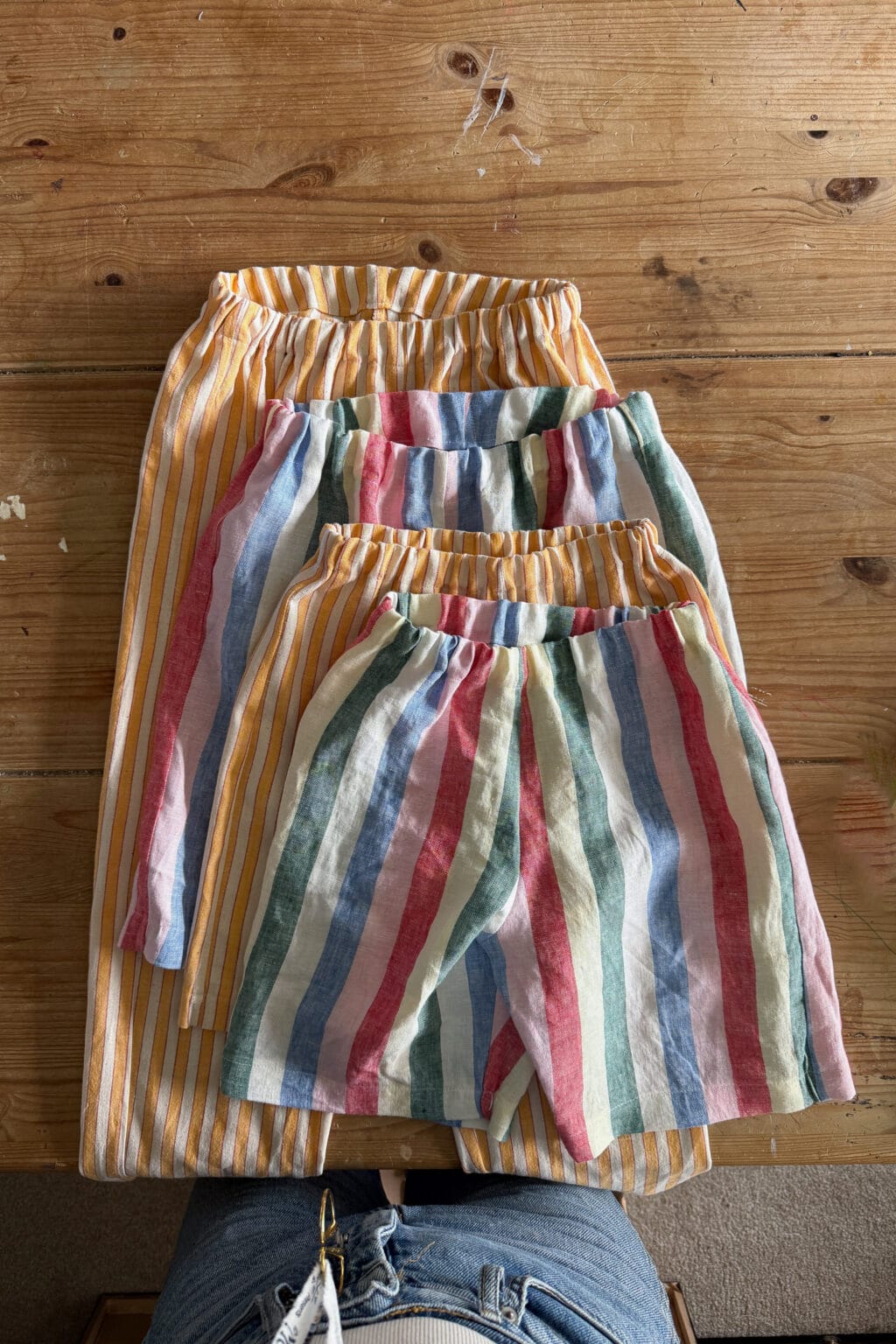
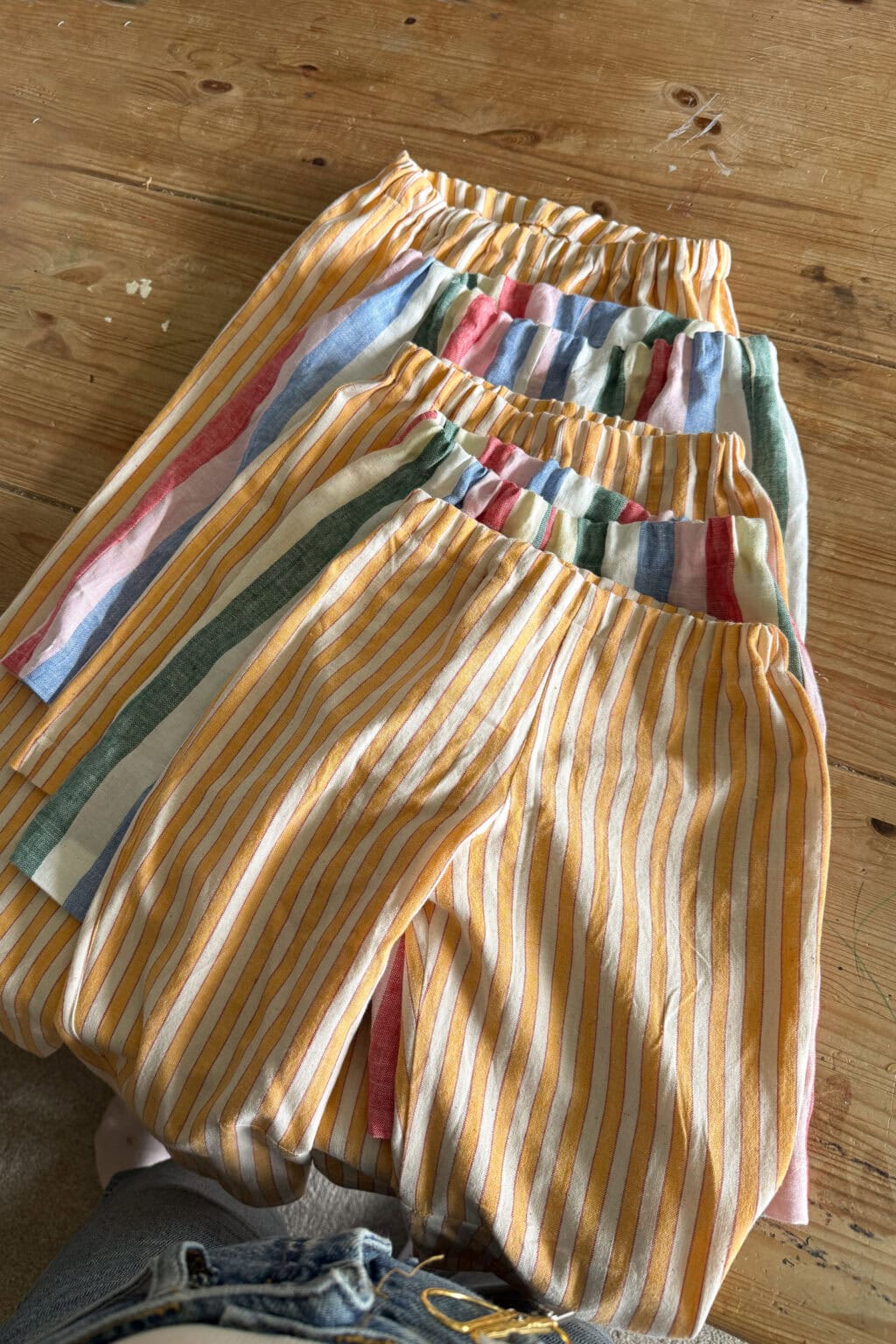
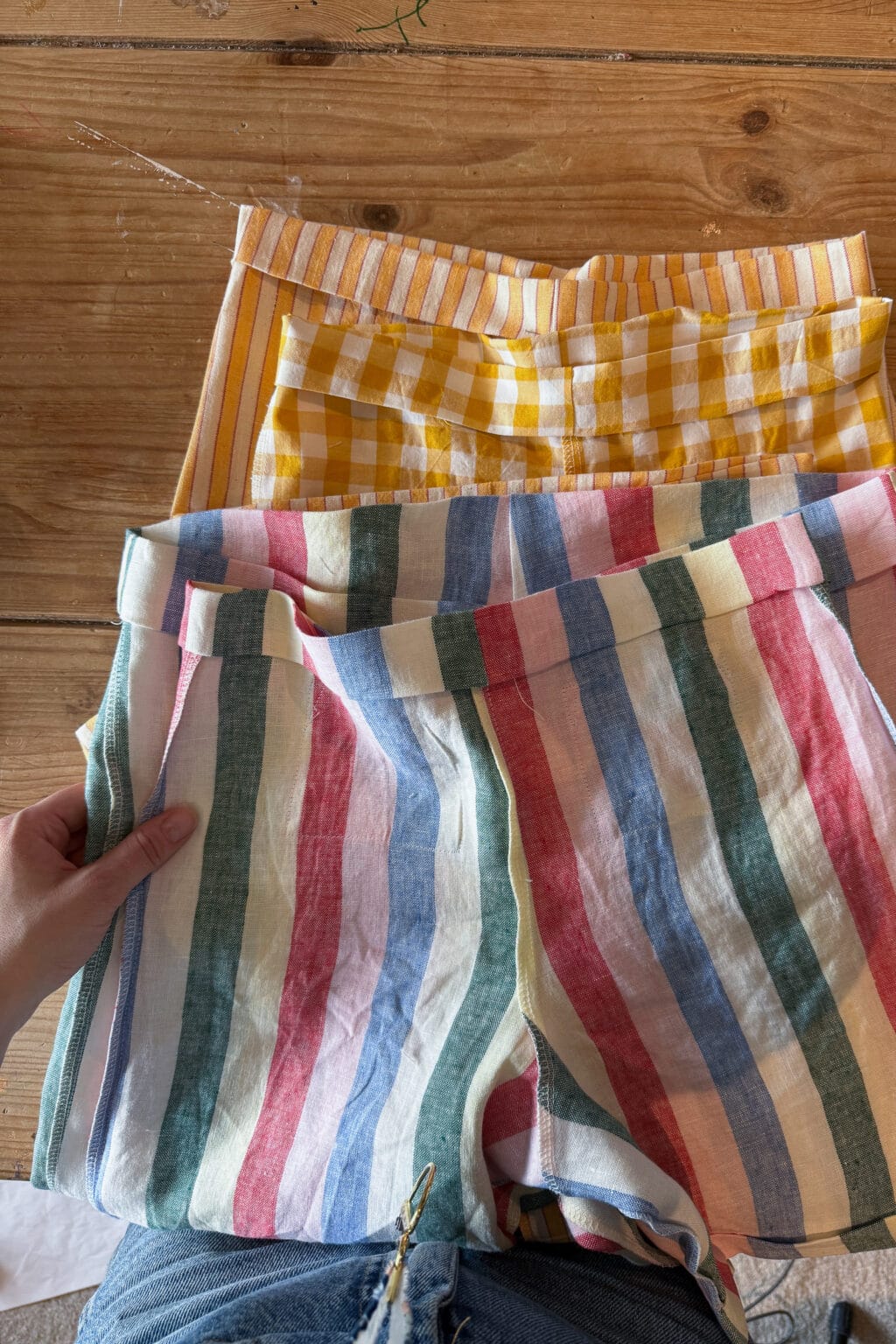
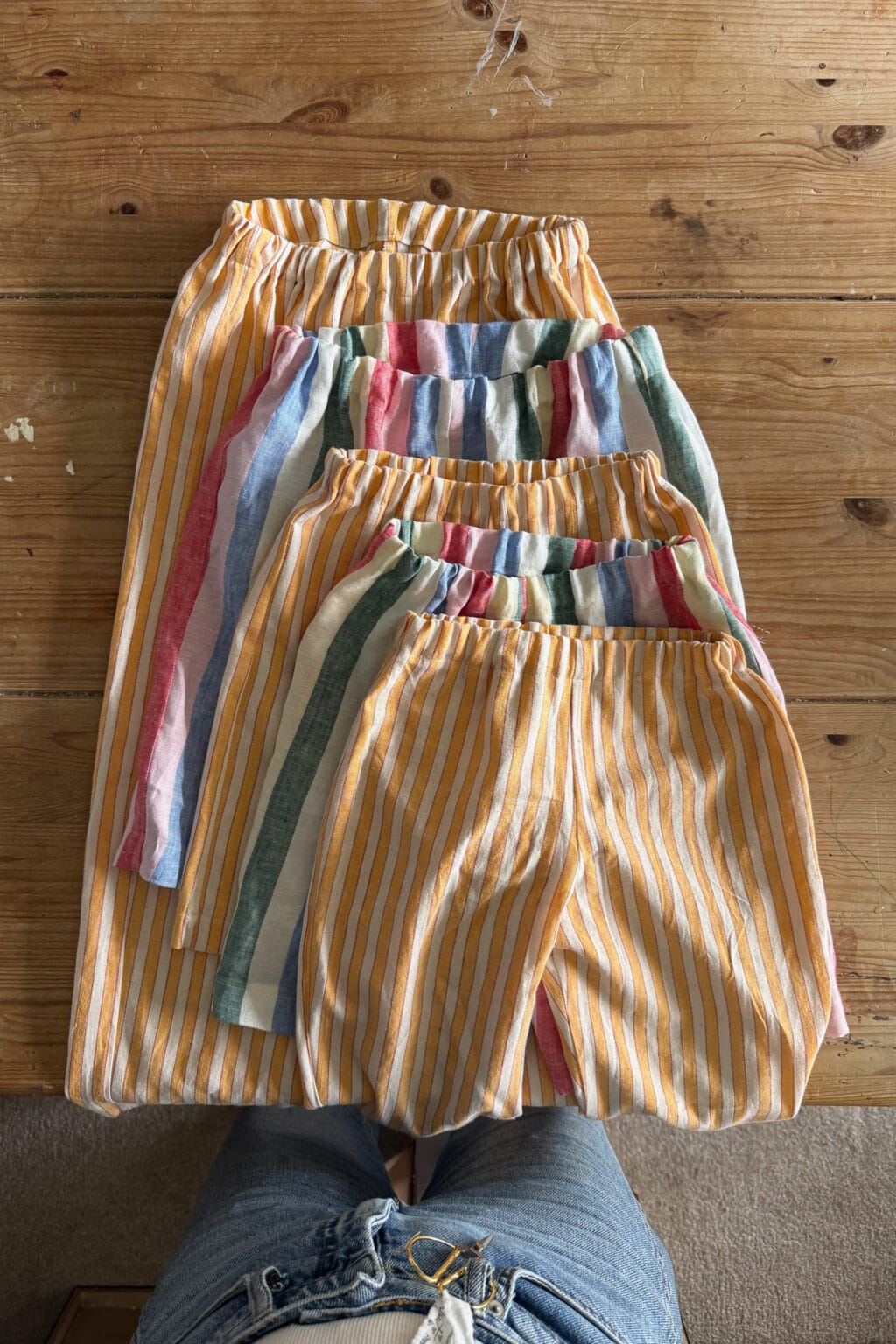
I was inspired to write this post after I made six pairs of trousers and shorts for my boys all in one go. Each pair would probably have taken me two hours individually, but I managed to sew all six in about four hours. So much time saved!
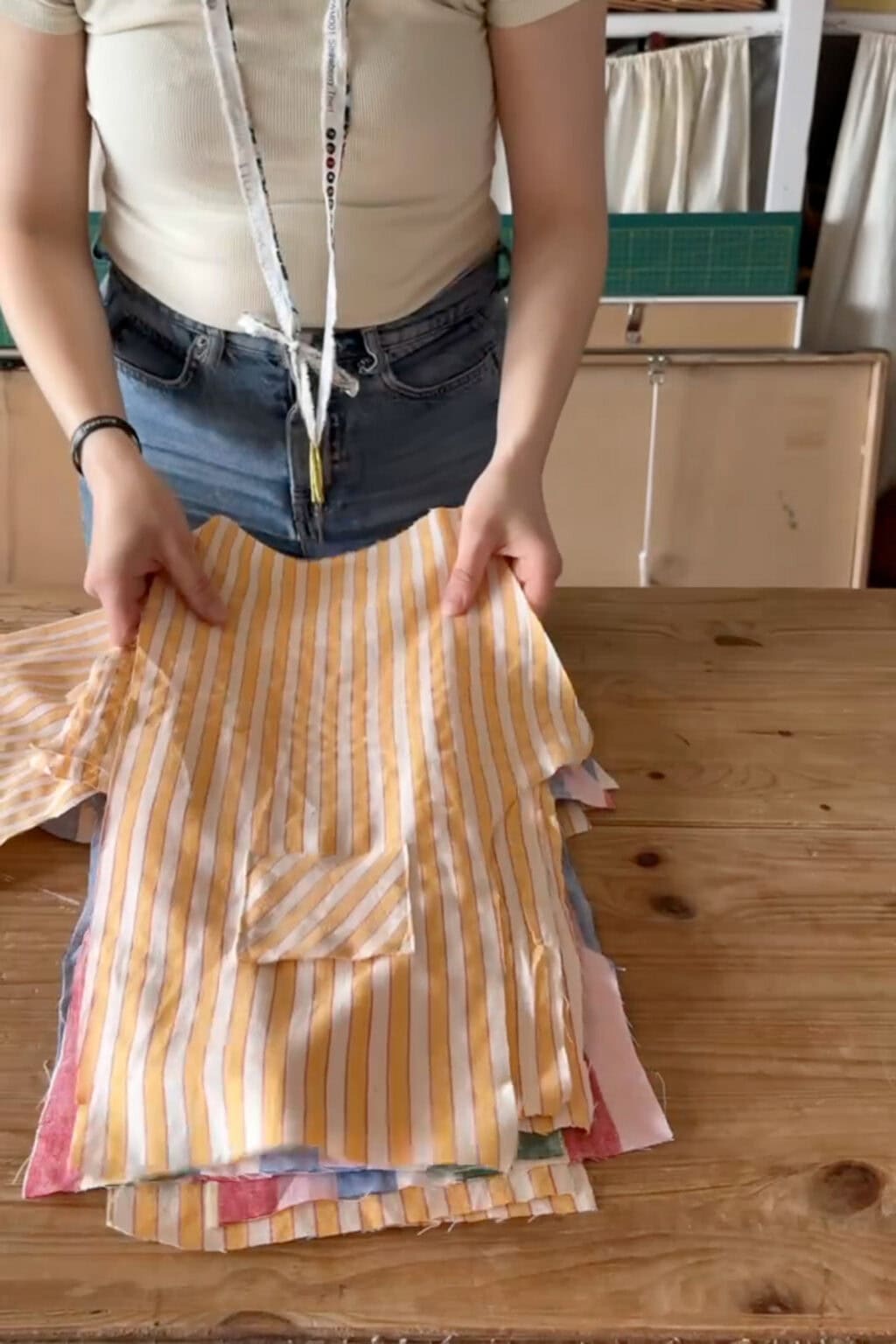
14. Chain piece wherever possible
Chain piecing is a quilting technique, but it works for anything repetitive. Instead of sewing a single seam, cutting the thread, repositioning, sewing the next piece — sew them one after another without lifting the presser foot, leaving a small thread chain between each. Cut the loose threads apart at the end.
It’s faster, it uses less thread, and it keeps your sewing speed up by keeping you in a rhythm. It’s one of those sewing techniques that feels like cheating. Once you try it you’ll wonder how you ever worked any other way.
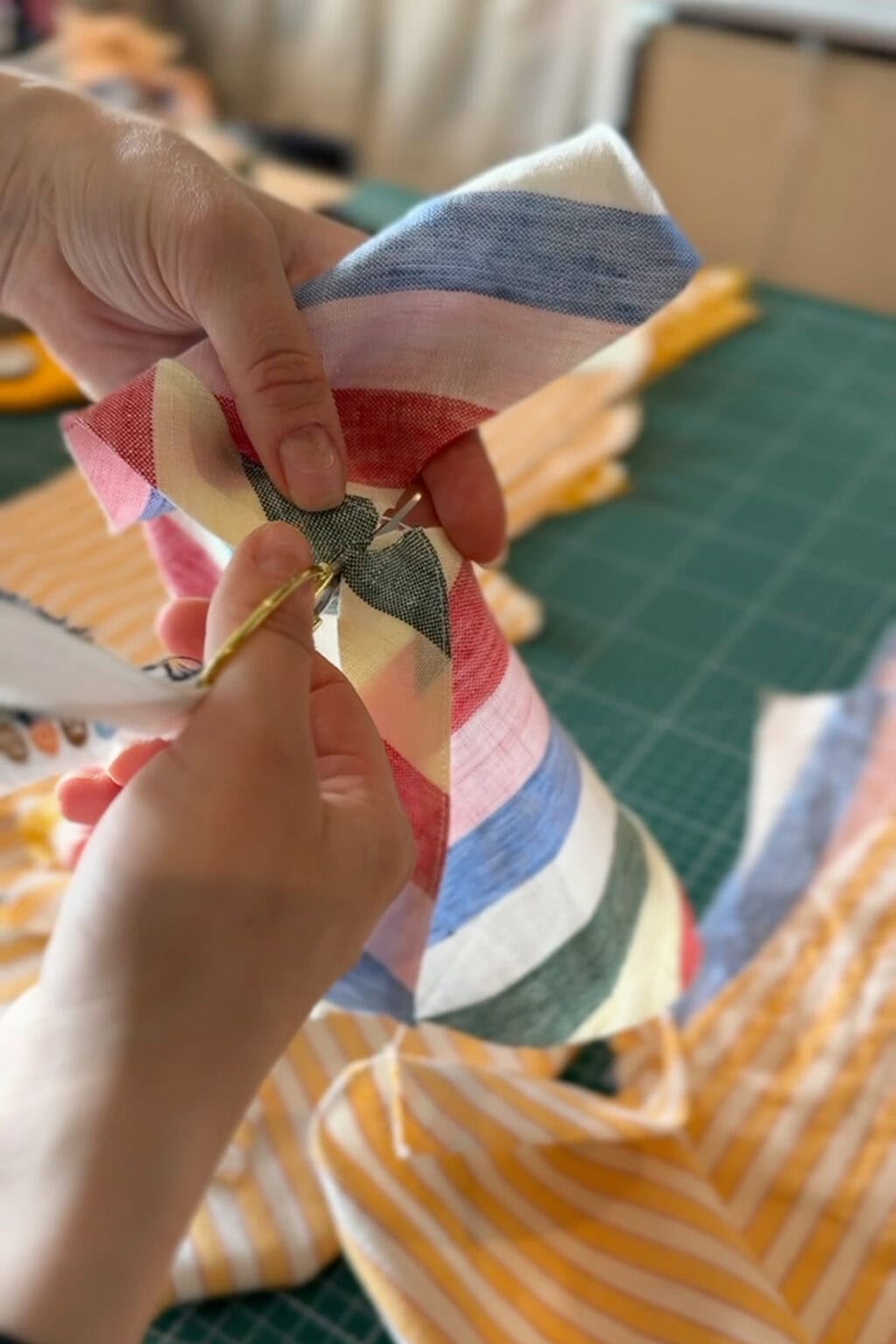
15. Batch your pressing too
Don’t press after every single seam if you can press several at once. Sew a few seams, then head to the ironing board and press them all, making sure seam allowances go in the right direction.
You reduce the number of times you’re walking between machine and ironing board, you stay in a flow state longer, and you get better results because properly pressed seams make the next step so much easier.
SHOP THE PROJECT
Shop the Post
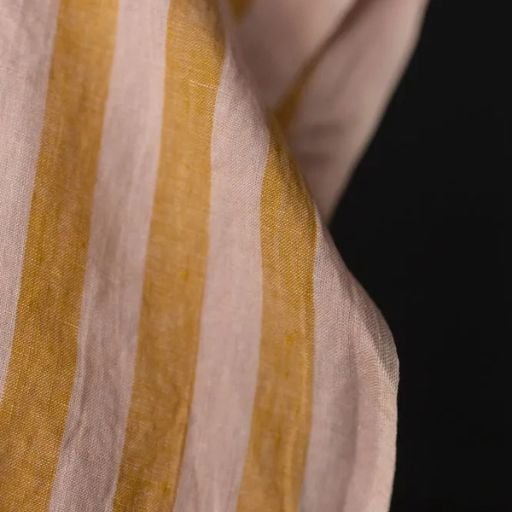
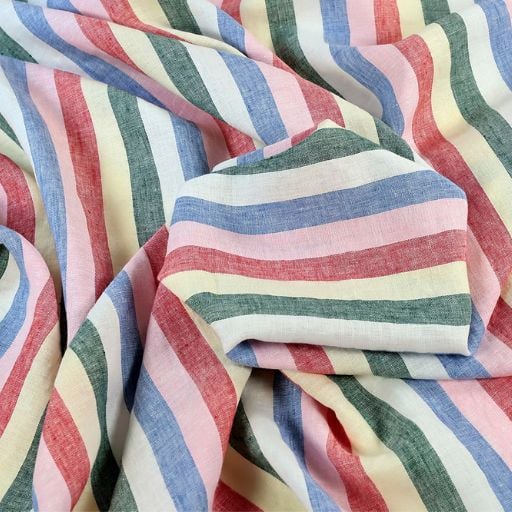
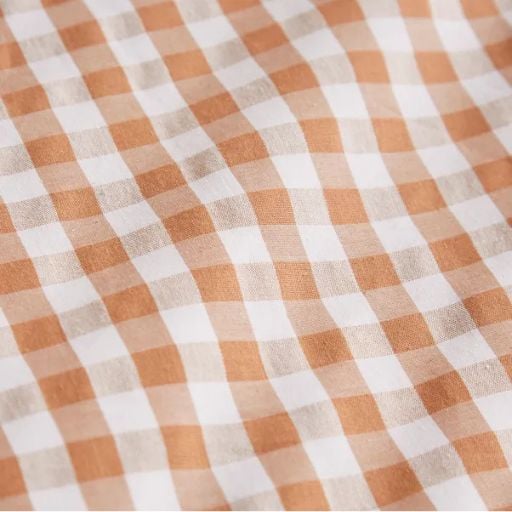
Shop similar fabrics to the ones I used
While You’re Sewing
16. Read the instructions carefully first
I hate to be the person who says this, but it is so helpful to read the instructions for your pattern before you start! Nothing slows you down more than having to unpick, so avoiding mistakes is one of the best things you can do to make sure that you’re sewing as fast as possible.
17. Use the right presser foot
A zipper foot, a walking foot, a blind hem foot — the right presser foot for the job is not optional fussiness, it’s efficiency. Using the wrong foot means fighting the fabric, unpicking, redoing. Spend two minutes putting the correct foot on and save ten minutes of frustration later.
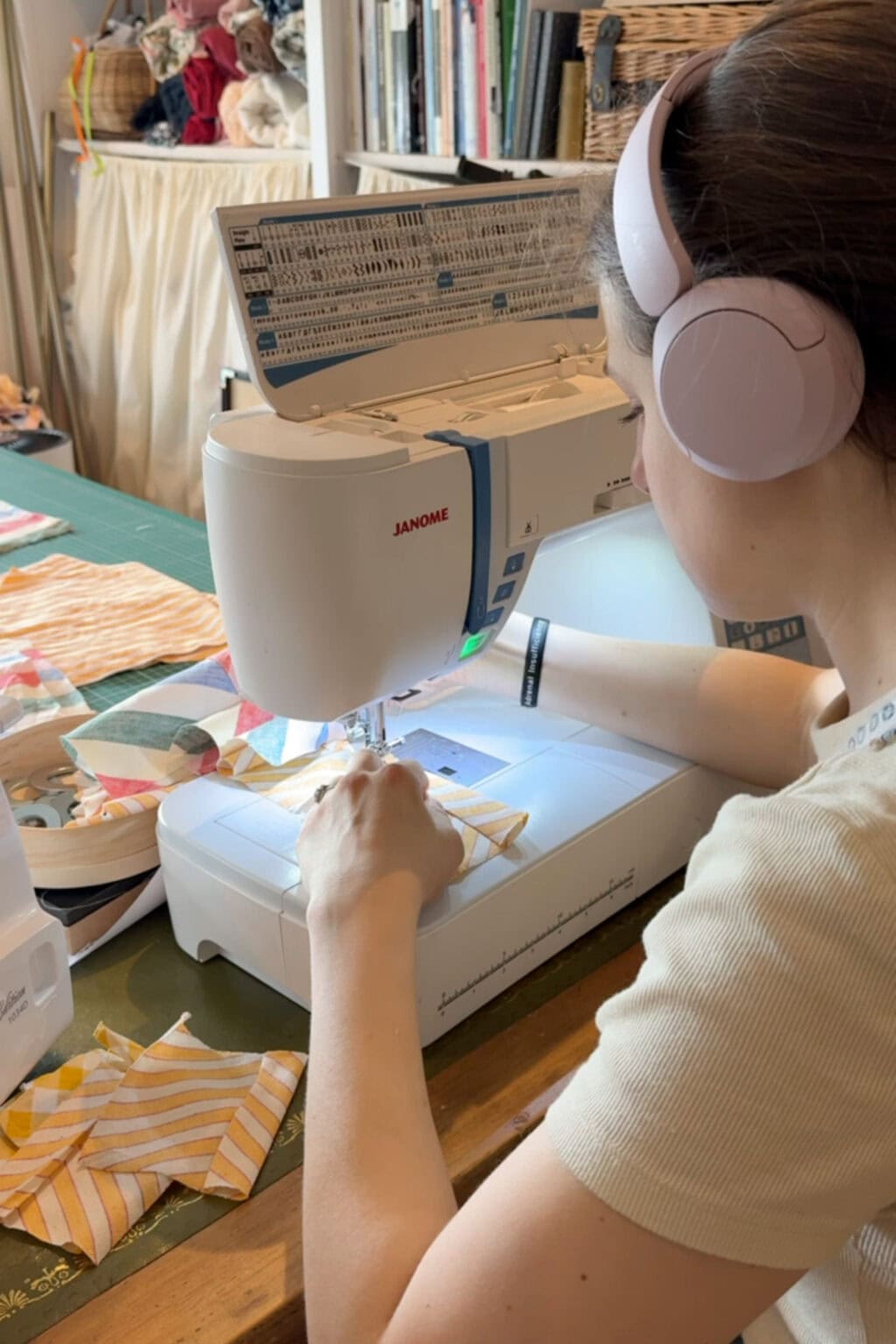
18. Change your machine needle more often than you think
Machine needles blunt faster than most people realise — and a blunt needle causes skipped stitches, pulled fabric, and general misery. A fresh needle at the start of every couple of projects makes an immediate difference to your sewing speed and the quality of your straight stitches.
19. Keep your notions within arm’s reach
Pins, wonder clips, your seam ripper, a small ruler, scrap fabric for testing your stitch length — if you have to get up to find them, you will lose your momentum. A small pot or tray of essential sewing tools on your sewing table is worth setting up before every project.
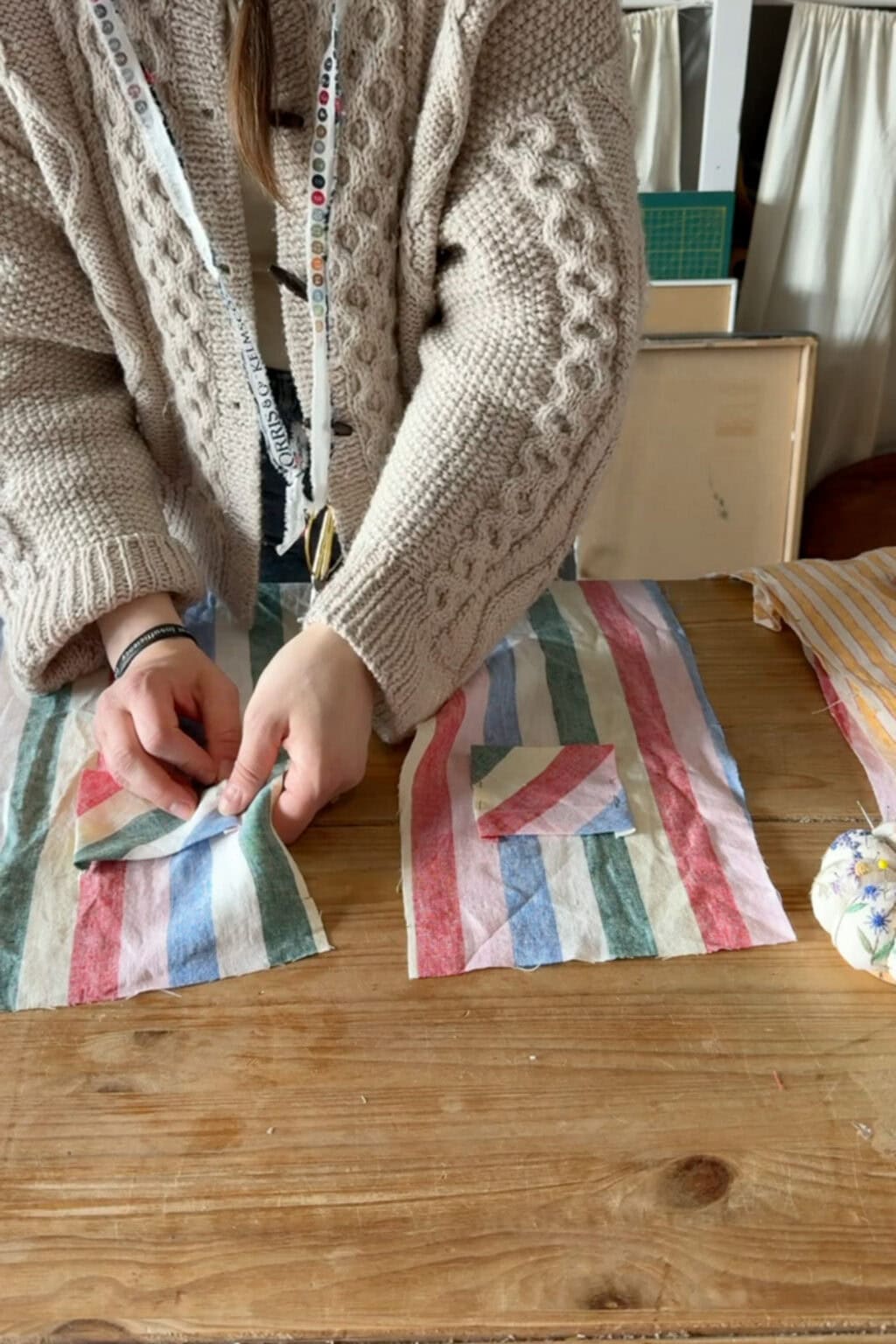
20. Know when not to unpick
Not every wonky seam needs to come out. Will it affect the fit? Will it be visible on the right side of the finished item? Will anyone be looking closely enough to notice?
If the answer to all three is no — leave it. Done is better than perfect, and an unpicked seam that you sew again, unpick again, and then give up on is a sewing project that never gets finished.
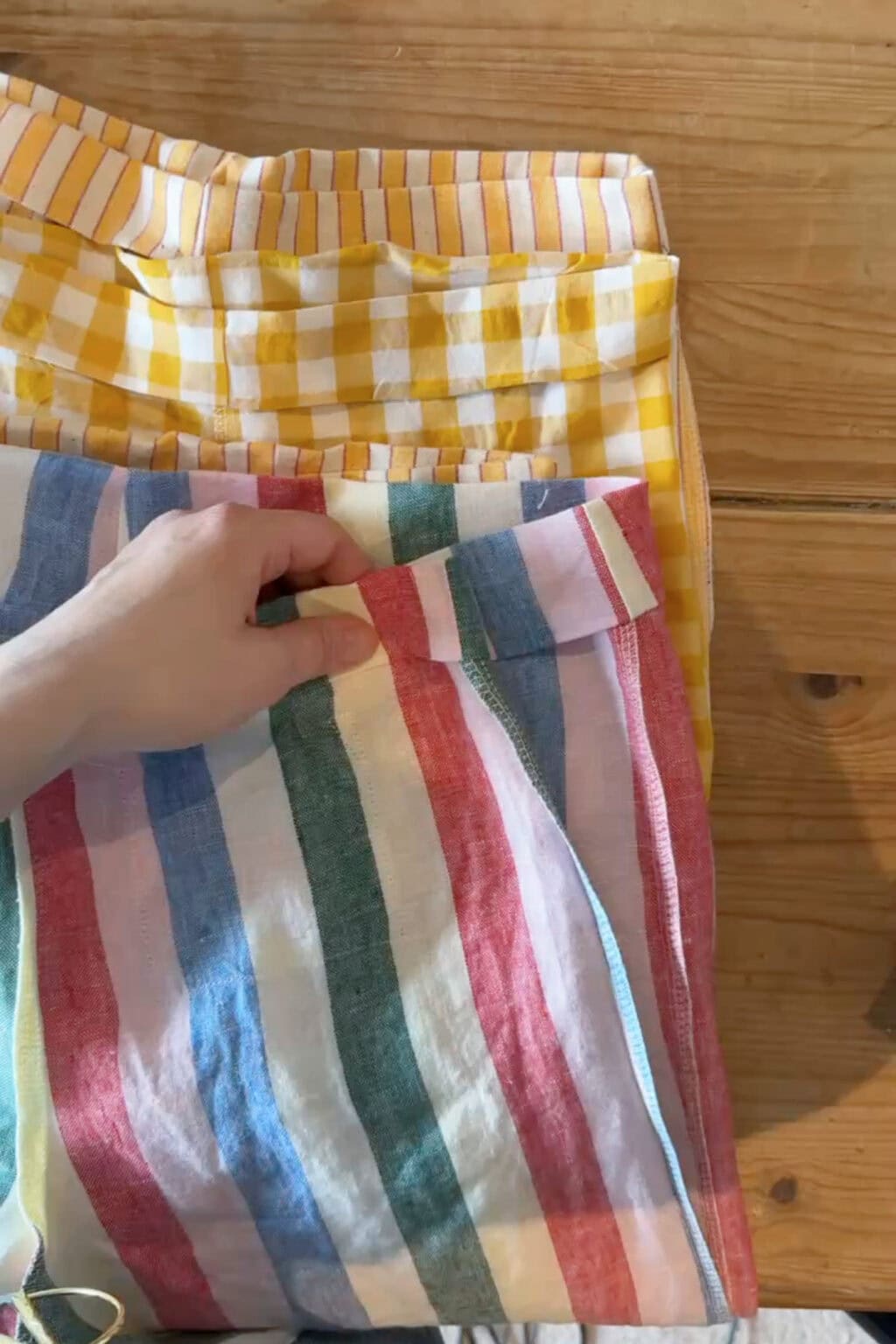
The Mindset Bit
21. Time-box your sessions to sew faster
A vague “I’ll sew this afternoon” is much less productive than “I have forty minutes, and I’m going to finish the bodice.” A time limit and a plan will give you focus so you stop second-guessing and just sew.
22. Finish one thing before you start another
The most time-efficient thing you can do is finish each project before you start a new one. A half-finished project costs you setup time every single time you come back to it — re-reading where you’re up to, re-pressing, re-figuring out the next step.
Having a one in, one out policy keeps your sewing space clear, your head clear, and your making purposeful.
A Final Thought
You are not a factory ♥️
These quick sewing tips aren’t about making more. They’re about making well, with the time you actually have. The goal is that when your forty-five minutes arrives — or your blissful uninterrupted Sunday morning with a cup of tea beside the machine — you can spend all of it doing the thing you love.
Sew with intention. Protect your sewing time. Make the things that matter.
And maybe one day soon, I’ll actually get to those fabric pieces on my cutting table.
What’s your best tip for making the most of stolen sewing time? I’d love to hear it in the comments!
Looking for Your Next Sewing Project?
Try one of these quick and easy sewing projects to really feel like you’re sewing fast!
12 Quick Sewing Projects You’ll Actually Want to Make
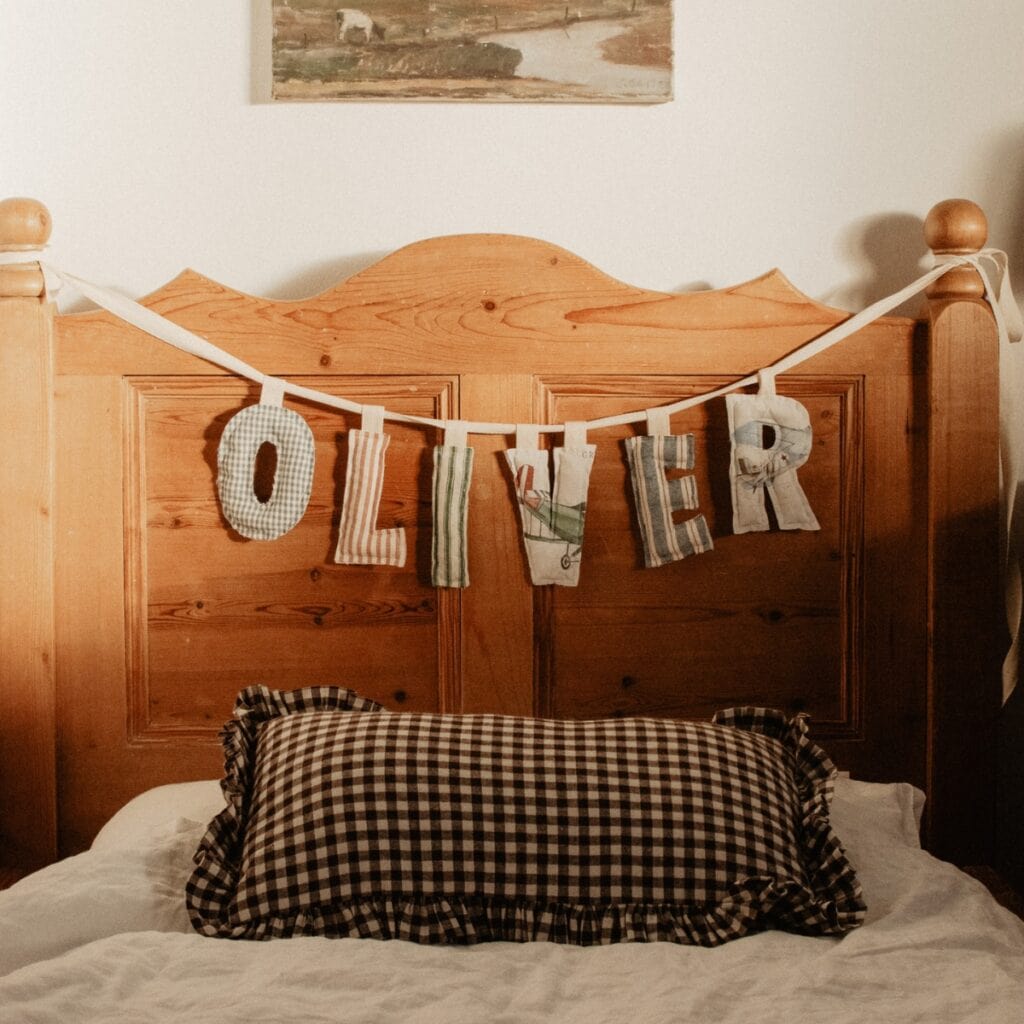
Sew a Personalised Banner
(No New Fabric Required!)
A clear, beginner-friendly pattern that teaches you how to transform your fabric scraps into a cheerful keepsake.
Tthanks for yhe lovely tips from a lovely lady ☺️🙏💜
🥰🥰 hope they were helpful!
So helpful, love these reminders!
So glad it was helpful! ♥️
Thank you for the encouragement!
You’re so welcome ☺️